

There is a particular look a kid gets in a store-bought costume. They put it on, they check the mirror, and it is already a little boring. They did not choose it so much as point at it. An hour into trick-or-treating, half of it is on the sidewalk.
Now picture the kid who made theirs. The cape is crooked. The paint is a little smudged. They will not take it off. They will tell every neighbor exactly how they made the horns. That is not a costume. That is a project they are proud of, and the pride is the whole point.
Here is what making teaches that buying cannot. Planning, because your kid has to decide what they want to be and figure out how to get there with the materials at hand. Problem solving, because the seam rips and the glue will not hold and they have to fix it. Patience, because good things take longer than an afternoon. And the big one: the belief that they can make what they imagine. Kids build that belief one finished project at a time, and it carries into everything else they try.
You do not have to do this alone, and you do not need to be crafty yourself. That is the part most parents miss. You are allowed to outsource the teaching. Wimzee instructors teach this stuff live, one on one or in small groups, while you make dinner. Here is a simple plan, in order.
1. Sew the costume
Start with the big piece. The part of the costume everyone sees.
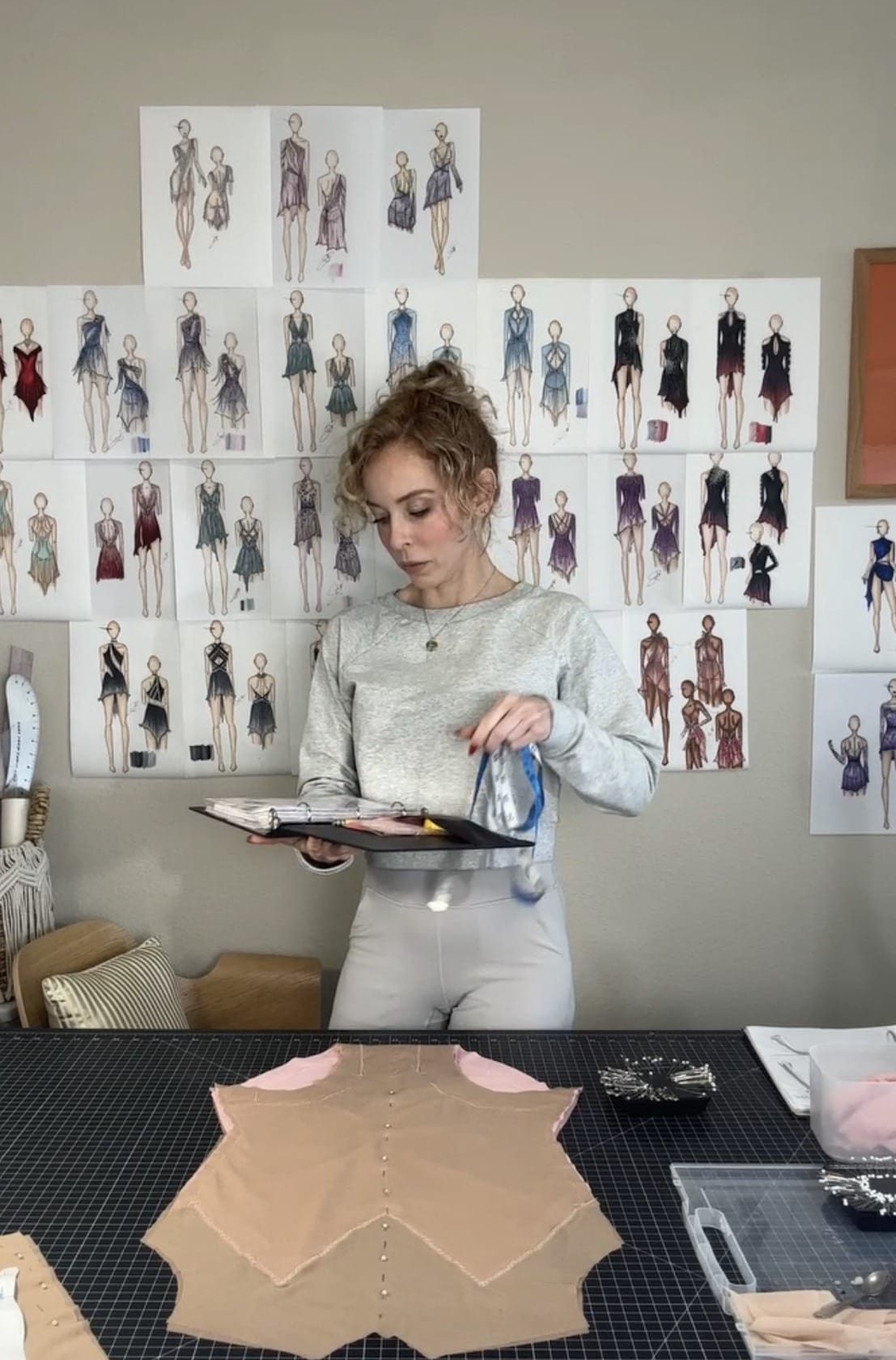
Juju grew up in Rio de Janeiro dreaming about costume design and is now a professionally trained SFX makeup artist. In her one-on-one beginner sewing sessions, kids learn the basics with their own costume as the project. Her listing says it plainly: great time right before Halloween. All ages, and every session is individual attention.
See class times and book a spot
2. Make the props
Every great costume has one detail that sells it. A creature figure. A charm on a cord. A weird little prop they carry everywhere and refuse to put down.

For younger makers, Ary Flo teaches mini clay crafting for kids as young as six. Charms, earrings, little figures, all in a group class where everyone makes together. See class times and book a spot
Older kids who want something with more teeth can learn to sculpt figures in polymer clay with Nico B, who has spent five years sculpting and selling his work at local pop-ups. One on one, ages 10 to 18, and they can sculpt literally anything. A kid who sculpts their own monster does not need a plastic mask.

See class times and book a spot
3. Paint the face
Face paint is the difference between a kid in clothes and a kid in character. It is also the part parents dread, because a wobbly hand and a cheap kit make a mess.
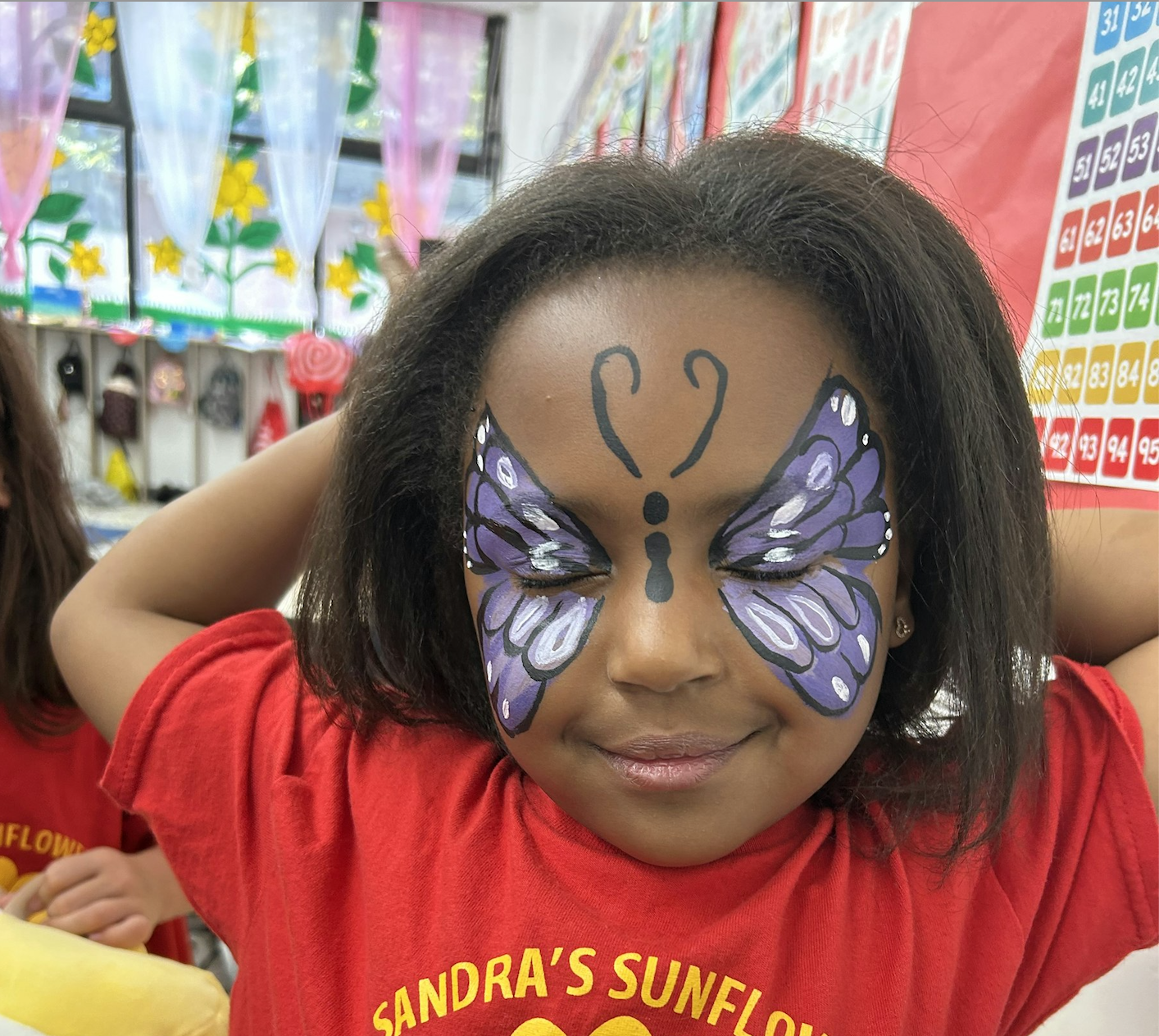
Tylah Souffrant teaches brush types and the technique behind clean application, so kids learn to paint their own Halloween faces instead of sitting still while a parent wrestles with a kit. Ages 3 to 18, for individuals or groups, and the listing includes a video intro.
See class times and book a spot
Questions parents ask
My kid has never sewn. Is there still time?
Halloween is October 31, so you have just under three weeks. That is plenty for a beginner project. Juju's sessions are one on one, which means the whole hour goes to your kid's costume, and a simple design sews up fast. Book this week so there is room for a second session if they catch the bug.
What ages are these classes for?
It varies, and each section above lists them. Sewing is all ages. Clay crafting starts at six. Face painting runs from 3 to 18. The polymer clay sculpting is for ages 10 to 18.
How do live online classes work?
Every class is live on video. Your child joins from home, learns in real time with the instructor, and gets feedback during the session. Each class page lists the exact time, length, and what to have ready.
What supplies do we need?
Each class page lists them. For sewing, Juju will tell you what to have on hand for the costume you pick. The face painting class covers which brushes to use, so you buy the right ones once.
What if my kid changes their mind about the costume halfway through?
Then they are learning the most useful part. Real making means revising the plan. Instructors who teach kids expect this, and a one-on-one session just pivots with them.
The costume is the excuse. The making is the point.
Pick one project. Book one class. Let your kid walk into Halloween wearing something they built with their own hands. Years from now they will not remember the candy. They will remember the horns they made themselves.